
Colorectal cancer is one of the most common cancers in the United States, but it is also one of the most preventable. With routine screening and healthy lifestyle choices, many cases can be detected early or even prevented entirely.
At Phelps Medical Group, we are committed to protecting the health of our neighbors, friends, and families right here in our community. Education and early detection save lives.
What Is Colorectal Cancer?
Colorectal cancer develops in the colon or rectum, which are parts of the large intestine. Most colorectal cancers begin as small growths called polyps. Over time, some polyps can turn into cancer.
The advantage of screening is that it can find and remove these polyps before they become cancerous.
Who Should Be Screened for Colorectal Cancer?
The American Cancer Society recommends that adults at average risk begin colorectal cancer screening at age 45.
You may need to start earlier if you have:
• A family history of colorectal cancer or colon polyps
• A personal history of inflammatory bowel disease, such as Crohn’s disease or ulcerative colitis
• Certain inherited conditions
• A history of prior polyps
Even if you feel healthy and have no symptoms, screening is still important.
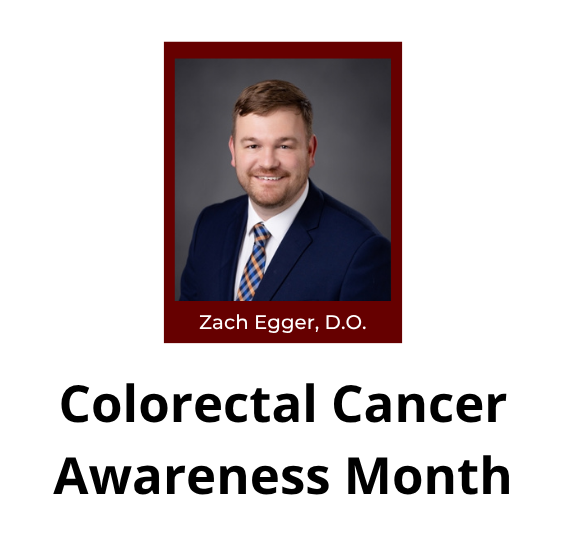
“We often hear patients say they feel fine, so they put off screening. The truth is, colorectal cancer may not cause symptoms at first. That is why screening at age 45 is so important,” explains Dr. Zach Egger, D.O., Phelps Medical Group.
Symptoms of Colorectal Cancer
Colorectal cancer often develops without symptoms in its early stages. When symptoms appear, they may include:
• Changes in bowel habits, such as diarrhea or constipation
• Blood in the stool
• Abdominal pain or cramping
• A feeling that the bowel does not empty completely
• Unexplained weight loss
• Ongoing fatigue
If you notice any of these symptoms, contact your healthcare provider promptly.
Screening Options Available
“When colorectal cancer is found early, it is highly treatable. Screening gives us the opportunity to catch problems before they become serious,” says Dr. Egger.
There are several colorectal cancer screening options, and your provider can help determine what is best for you.
Common screening methods include:
• Colonoscopy, typically every 10 years for average-risk individuals
• Cologuard, a noninvasive, at-home stool test that looks for abnormal DNA and blood; typically done every 3 years for those at average risk
• Other imaging tests, depending on your medical history
Colonoscopy remains the gold standard because it allows providers to detect and remove polyps during the same procedure.
Why Early Detection Matters
When colorectal cancer is detected early, before it has spread, the five-year survival rate is approximately 90 percent. Unfortunately, many people delay screening because they feel fine or are nervous about the procedure.
Early detection through routine screening can prevent cancer or catch it at a stage when treatment is most effective.
How You Can Reduce Your Risk
In addition to screening, you can lower your risk by:
• Eating more fruits, vegetables, and whole grains
• Limiting red and processed meats
• Staying physically active
• Maintaining a healthy weight
• Avoiding tobacco
• Limiting alcohol use
Healthy habits combined with routine screening offer the best protection.
March Is Colorectal Cancer Awareness Month
March is dedicated to raising awareness about colorectal cancer prevention and screening. It is a reminder for adults 45 and older to schedule their screening and talk with their provider about risk factors.
If you have been putting off your colonoscopy or stool test, now is the time to take action. Encourage family members and friends to do the same. Early detection can save lives in our community.
Schedule Your Colorectal Cancer Screening
Your health matters to us. If you are 45 or older, or if you have risk factors for colorectal cancer, schedule an appointment with Phelps Medical Group today to discuss screening options.
Prevention starts with a conversation.
Call our office to schedule your colorectal cancer screening or speak with your provider at your next visit.