
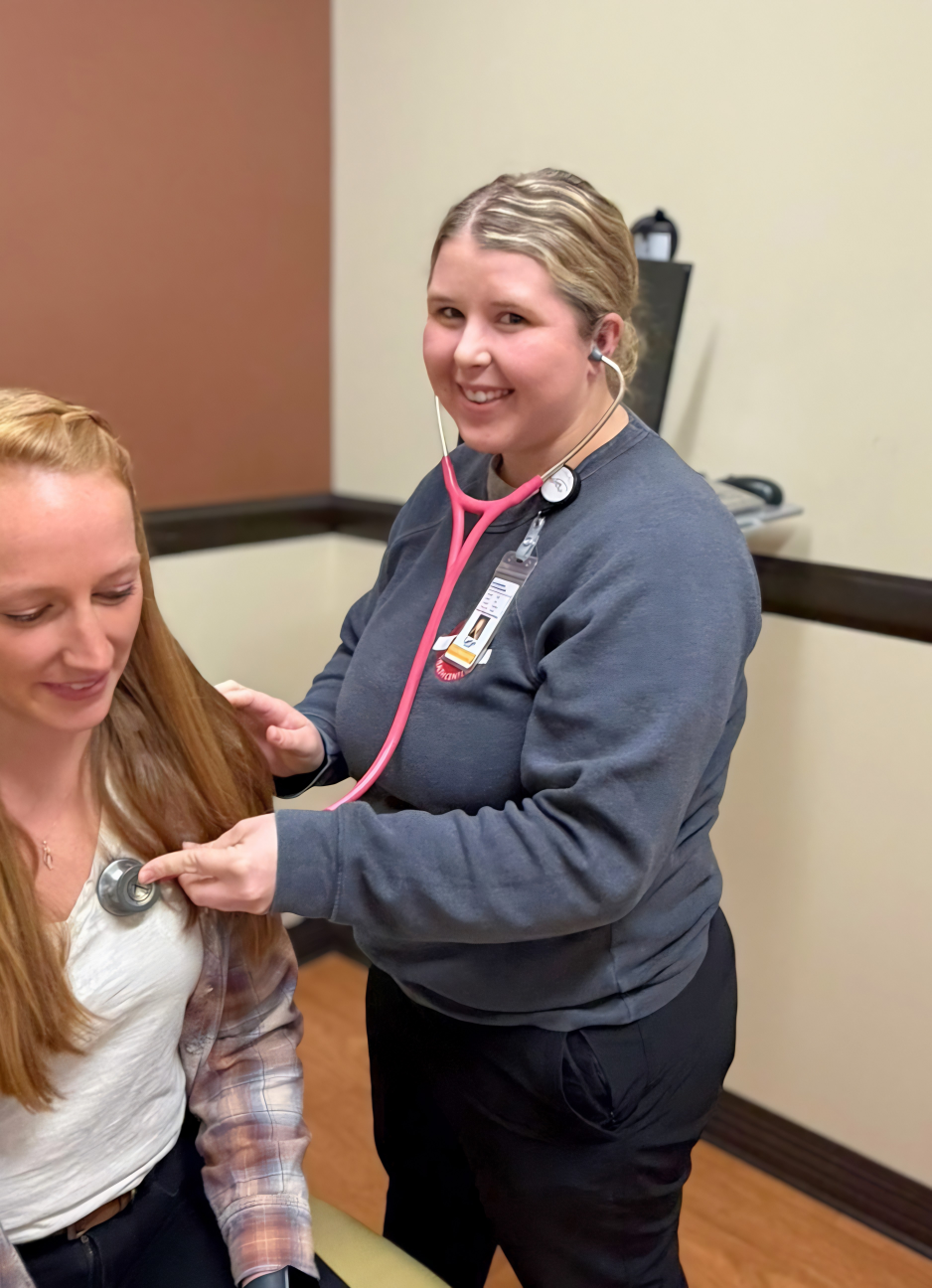
Why Women Often Delay Preventive Healthcare
Many women delay their own healthcare while focusing on work, family, and daily responsibilities.
Preventive care often gets pushed aside, especially when there are no obvious symptoms or urgent concerns. Over time, routine screenings, wellness visits, and conversations about ongoing symptoms may continue to get postponed.
“The most common thing women put off is preventive care,” says Caitlyn Christiancy, PA, with Phelps Medical Group. “It is easy to delay screenings when you are not having any symptoms. Many women put their own health last because they are focused on everything else.”
Staying current with preventive care is one of the most important ways women can protect their long-term health.
Why Preventive Care Gets Delayed
When women finally schedule an appointment, Christiancy says many share a similar concern: “I’ve been meaning to come in about this.”
In many cases, patients are not coming in for just one issue. They may have several symptoms, questions, or screenings they have delayed while prioritizing other responsibilities.
Preventive screenings are among the most commonly postponed areas of care, especially when patients feel healthy.
“Screenings like Pap smears, mammograms, and colonoscopies are not always things patients look forward to,” Christiancy explains. “They are easy to put off, especially when you are feeling fine.”
Symptoms Women Commonly Ignore
Many women also dismiss symptoms they believe are simply part of aging or busy daily life.
Common concerns may include:
- Fatigue or low energy
- Changes in menstrual cycles
- Hot flashes or perimenopausal symptoms
- Mental health concerns
- Bleeding or spotting after menopause
“They often believe it is just a normal part of aging and that there is nothing they can do except endure it,” says Christiancy. “But there are many options that can help improve those symptoms.”
Discussing symptoms early can help identify underlying health concerns and improve quality of life.
Recommended Preventive Screenings for Women
Routine screenings help detect many conditions early, often before symptoms develop.
Christiancy encourages women to stay current on:
- Annual wellness exams and routine lab work
- Mammograms beginning at age 40
- Pap smears and HPV testing beginning at age 21
- Colon cancer screening beginning at age 45
- Bone density screening around age 65, depending on risk factors
“Staying up on screenings is one of the most important things you can do,” Christiancy says. “Earlier detection can make all the difference.”
Understanding What Care You Need
Many patients are unsure which screenings apply to them or when they should begin.
Questions like:
- What screenings am I due for?
- When should I start?
- Am I behind?
can make preventive care feel overwhelming.
“Most patients are surprised by how simple it is once we talk through it,” says Christiancy. “We help you understand what screenings you need and when, so it does not feel overwhelming.”
Providers can help patients build a preventive care plan based on age, medical history, and personal risk factors.
Building a Partnership in Healthcare
Christiancy says her approach focuses on working together with patients to help them make informed decisions about their health.
“My approach is to build a partnership with the patient,” she says. “My job is to listen, provide education, make recommendations, and help you make an informed decision.”
Open communication and regular preventive care visits can help patients feel more comfortable discussing symptoms, concerns, and long-term health goals.
Taking the First Step
Many women know they should schedule an appointment but continue putting it off.
Christiancy encourages patients to remember that caring for themselves is an important part of caring for others.
“You matter too,” she says. “In order to take care of others, you have to take care of yourself first. Your family wants you to be healthy and happy.”
Preventive care starts with a conversation.
Scheduling a wellness visit, asking questions, or discussing symptoms early can help women stay healthy and address concerns before they become more serious.
To schedule a visit with Caitlyn Christiancy, PA, call 308.995.6111 or schedule an appointment online.