
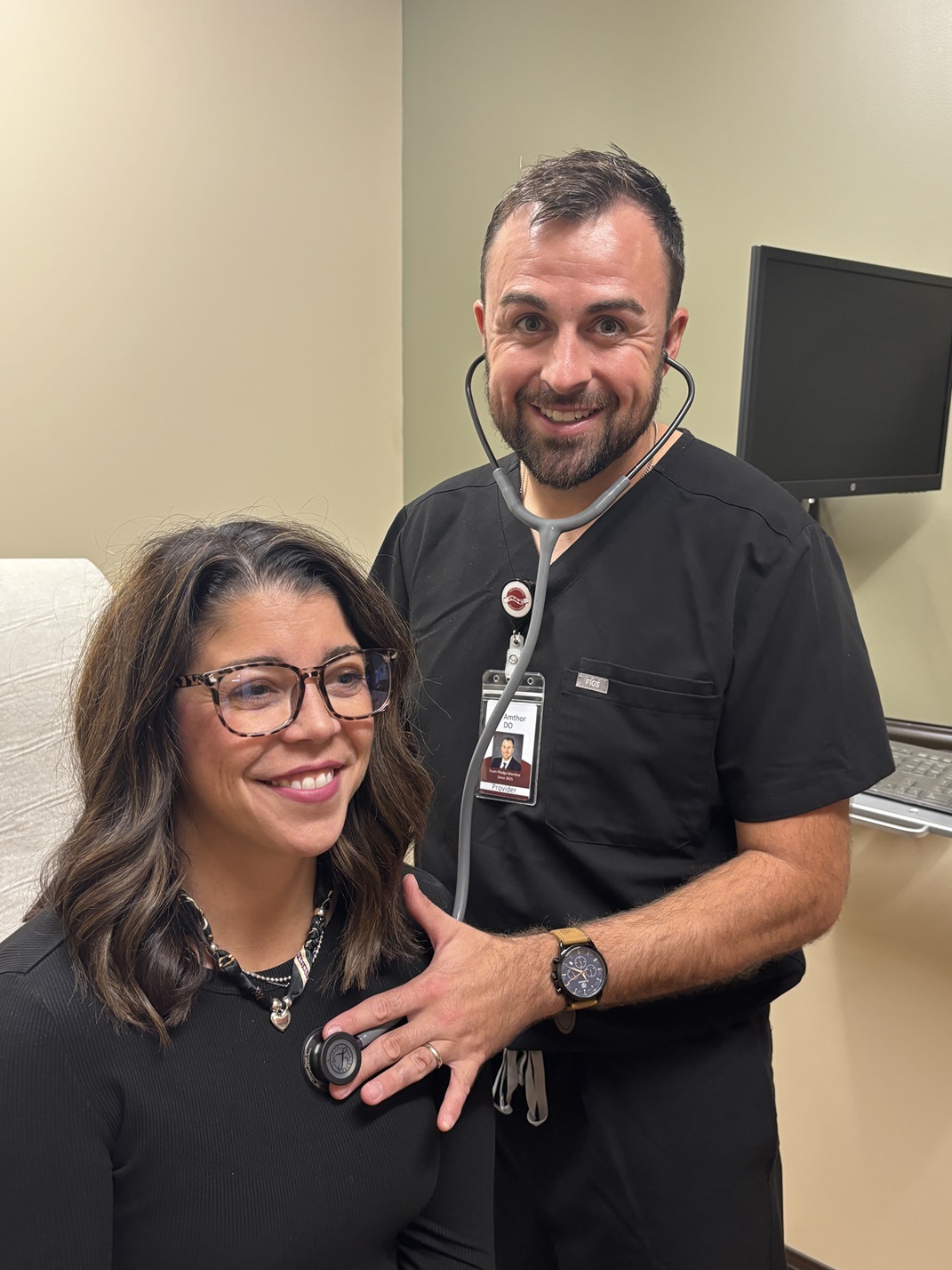
Heart Month is a reminder that heart health deserves regular attention, not just when something feels wrong. One of the simplest and most important steps you can take is knowing your blood pressure. It is a quick measurement, but it offers powerful insight into how well your heart and blood vessels are functioning.
At Phelps Medical Group, providers encourage patients to take an active role in their health. Understanding blood pressure is a key part of prevention and often the first step toward reducing the risk of serious conditions like heart disease and stroke.
Blood pressure measures the force of blood moving through your arteries as your heart pumps. It is recorded using two numbers. The systolic number measures pressure during a heartbeat, while the diastolic number measures pressure when the heart rests between beats. A normal reading is generally around 120 over 80, though individual goals may vary.
“Blood pressure helps us understand how hard the heart is working and how healthy the blood vessels are,” says Dr. Kevin Amthor, D.O., Phelps Medical Group. “When blood pressure stays elevated over time, it can quietly cause damage throughout the body.”
That quiet damage is what makes high blood pressure so dangerous. Often called the silent killer, high blood pressure rarely causes noticeable symptoms. Many people feel completely fine even when their readings are dangerously high.
“Many patients are diagnosed with high blood pressure through routine screening rather than the presence of symptoms,” he says. “This underscores the importance of regular monitoring at home or in clinical settings, as symptoms alone are not a reliable indicator.”
Without routine screening, high blood pressure can go undetected for years, increasing the risk of heart attack, stroke, kidney disease, heart failure, and vision loss. This is why knowing your numbers is important for adults of all ages. While risk increases as we get older, high blood pressure is increasingly common in younger adults and children as well.
“We are seeing high blood pressure more frequently in younger adults,” Dr. Amthor explains. “Lifestyle factors play a role, and early awareness gives us the opportunity to intervene before long-term damage occurs.”
Knowing your blood pressure gives you and your provider valuable information. Tracking readings over time helps identify patterns, evaluate treatment plans, and guide conversations about lifestyle changes or medication. For some patients, home blood pressure monitoring provides a clearer picture than an occasional reading in the clinic.
“When patients take an active role in managing their health, a stronger partnership between provider and patient can lead to improved outcomes” Dr. Amthor says.
The good news is that blood pressure is often manageable. Many people can lower their readings through lifestyle changes such as eating a balanced diet, reducing sodium, staying physically active, managing stress, maintaining a healthy weight, and avoiding tobacco. Even small changes can make a meaningful difference over time.
“I always encourage patients to focus on progress, not perfection,” says Dr. Amthor. “Small, consistent changes can really add up.”
Some patients may also need medication to safely manage their blood pressure. When prescribed, it is important to take medication as directed, even if numbers begin to improve. Ongoing care and regular checkups help ensure treatment plans remain effective and appropriate.
“At Phelps Medical Group, our focus is on keeping patients healthy,” Dr. Amthor says. “Blood pressure screening is one of the simplest and most effective preventive tools we have.”
Heart Month is the perfect time to check your blood pressure or recommit to monitoring it regularly. Screenings are quick, painless, and widely available, and home monitors are easy to use.
“Knowing your blood pressure gives you control,” Dr. Amthor adds. “It’s a small step that can have a lasting impact on your health.”
To schedule an appointment with Phelps Medical Group, call 308-995-6111 or schedule online at www.PhelpsMedicalGroup.com.